


How to Qualify for VA Home Care Benefits in Virginia



Home care services are a blessing; however, the cost is overwhelming for many in Virginia. They have to enroll seniors in nursing homes or old age homes due to the high price. However, elderly citizens, especially veterans, are the lucky ones because the US Department of Veterans Affairs runs special programs that allow them to receive home care services at home. Having said that, not every veteran can avail this service whenever they want.
Hence, to qualify for VA home care benefits in Virginia, stay tuned to this piece of writing. You will learn about the eligibility criteria too!
What Are VA Home Care Benefits?
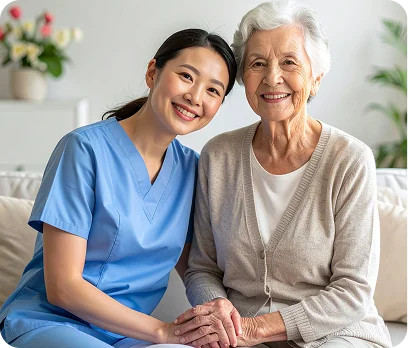
The purpose of home care service is to provide assistance to an individual at home so that they can remain safe and comfortable while getting the service. In home care service, an experienced and trained caregiver is sent to assist with activities that are essential for daily living. The caregiver is supervised by a registered nurse as well.
In the case of veterans, they avail this kind of service mostly for medical needs. The benefits they will enjoy from this service are:
- Personal care assistance (bathing, dressing, grooming)
- Meal preparation
- Light housekeeping
- Medication reminders
- Mobility assistance
- Transportation to medical appointments
- Caregiver respite services
VA Aid and Attendance Benefits - Virginia
Not all, but some Virginia veterans can qualify for home care aid and attendance benefits. Compared to the Homemaker and Home Health Aide Program, the VA aid and attendance provides medical assistance services, which is a great help to cover home care expenses.
In order to qualify for this benefit, the VA must have the following:
- The applicant must fulfill the wartime service requirements
- The veteran must be eligible for VA pension
- Requires assistance with daily activities
- Must have applicable income and net worth limits
How to Apply for VA aid
Availing VA aid is troublesome. However, the application process is mentioned below:
- First, the applicant must be enrolled in health care
- Then, convey your care needs to the worker
- A medical assessment will be conducted to determine eligibility
- Upon approval, the VA will coordinate with a reliable home care agency
- The veteran must carry the pension application along with medical documents
Tips for a Successful Application
In order to increase your chance for approval, upload the latest medical report on the website. Then, make sure to write down the challenges you face during daily activities and explain the cause for medical necessity by the physician. You can also seek assistance from a VA social worker to get help completing the application process.
Here is a list of the available home care services approved by VA in Virginia:
- Personal hygiene assistance
- Companion care
- Meal planning and preparation
- Light housekeeping
- Medication reminders
- Mobility support
- Dementia and Alzheimer's care
- Respite care for family caregivers
- Specific services vary by location and the veteran's individualized care plan
Who Qualifies for VA Home Care Benefits?
Not all veterans are eligible to avail the home care service. Eligibility is subject to the VA program. However, for the Homemaker and Home Health Aide Program, veterans must meet the following criteria:
1. To avail the home care service, the veteran must be enrolled in a VA health care system.
2. It's not the VA that decides to have the external assistance. The VA physician or the care team should mention how the VA needs assistance and showcase the reasons
3. When a VA struggles to bathe, dress up, mobilize, prepare meals, needs respite care for absence of regular caregiver, or is recovering from surgery, they can avail VA home care service.
4. VA must follow the community care requirements. The service VA is asking for must be available in the local VA medical center and appropriate medically as well.
Does Service-Connected Disability Matter?
There is a belief among veterans that service-connected disability is required for availing home care services. It's not always the case! All veterans can qualify for home care if they fulfill the medical criteria. Here, veterans with service-connected disabilities and requiring nursing at home will be prioritized.
Final Thoughts
VA homecare ensures an eligible veteran receives cordial and professional service at their own home. The purpose of this service is to improve the quality of life, support the family caregiver, and restore peace and independence at home. If you are eligible to get the service, go for it. With home care services, the VA can avoid unnecessary hospitalization.
 How to Choose a Home Care Agency for Seniors?
Home care services are a blessing for aged individuals. Anyone with an injury or illness benefits from this service as well. Hence, the service is widely available almost everywhere now. Having said that, choosing the right home care agency for your desired service has become a serious challenge.
What Is Personal Care at Home and What Does It Include?As one gets older, every simple task becomes difficult to perform. It happens the same during illness or any injury. Wouldn't it be a blessing to get assistance from someone dedicated to care?
Importance of Home Care for SeniorsLife does not remain the same as we age. The simple daily chores can turn out to be challenging to perform for older adults. Especially when the aged citizen suffers from health conditions, even attending to health care services or a nursing home becomes difficult.
 The Real Cost of Home Care in Springfield, VA
When our loved one needs a caregiver for additional support at home, the first question that pops up in our heads is "how much does home care cost?" It's very natural because if the service is not affordable, accessing the service would be really difficult.
 How to Qualify for VA Home Care Benefits in Virginia
Home care services are a blessing; however, the cost is overwhelming for many in Virginia. They have to enroll seniors in nursing homes or old age homes due to the high cost. However, elderly citizens, especially veterans, are the lucky ones because the US Department of Veterans Affairs runs special programs that allow them to receive home care services at home.
 Compare Home Care vs. Home Health in Springfield, VA
Family members who are aging or anyone with a disability or medical condition needs special care and attention. Home care services bring signs of relief for them. However, when it comes to plans for home care in Springfield, VA, the common question that comes up time and again is the difference between home care and home health care.